The Urban Mobility Transformation: A Roadmap to 2026
As we navigate through 2026, the way we move through cities is undergoing a profound transformation. Urban mobility, once a subject of futuristic speculation, is now becoming a reality thanks to technological advances and a heightened focus on sustainability. From electric vehicles to autonomous transit systems, investing in urban mobility isn’t just an opportunity—it’s a necessity for those looking to capitalize on the future of transportation.
The Electrification of Transportation
Electric vehicles (EVs) have moved from being a niche market to a mainstream option. In 2026, global EV sales are expected to surpass 25 million units, according to the International Energy Agency. This surge is fueled by tighter emissions regulations and significant advancements in battery technology, which have made EVs more affordable and efficient than ever. Investors have a golden opportunity to explore companies like Tesla, Rivian, or BYD, who are leading the charge in EV innovation.
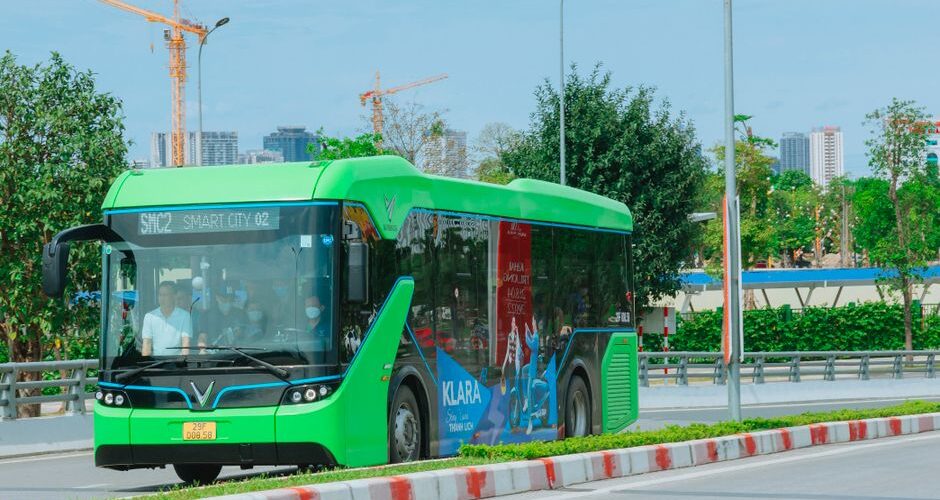
Beyond cars, electrification is expanding to public transport and micromobility solutions like e-bikes and scooters. Cities like Oslo and Singapore have already integrated electric buses into their public transportation fleets, setting a precedent for others to follow. Identifying component suppliers and battery manufacturers can be a savvy move for those looking to diversify their portfolios in this sector.
The Rise of Autonomous Vehicles
Autonomous vehicles (AVs) are no longer the stuff of science fiction. As of 2026, over 1,000 self-driving cars are operating in major cities around the world, including San Francisco, Tokyo, and Berlin. Companies like Waymo and Cruise are at the forefront, and their progress in this space provides significant investment opportunities.
The impact of AVs extends beyond just cars. Autonomous public transport and delivery systems are being piloted in urban centers, promising to revolutionize logistics and commuting. Investors should keep an eye on technological infrastructure such as AI, sensors, and machine learning algorithms that drive this sector forward.
Investing in Mobility-as-a-Service (MaaS)
Mobility-as-a-Service is an emerging paradigm that combines various forms of transport services into a single accessible on-demand service. This integration is facilitated by a digital platform that offers users end-to-end planning, booking, and payment solutions. In 2026, the global MaaS market is projected to grow to $120 billion, making it a ripe area for investment.
Companies like Uber and Lyft, which have expanded their services beyond traditional ride-hailing to include bike-sharing and public transit solutions, are key players. However, smaller startups like Moovit and Whim are also worth watching, as they develop innovative ways to integrate more sustainable transport options into city planning.
Smart City Infrastructure: The Backbone of Urban Mobility
The success of urban mobility solutions heavily depends on smart city infrastructure. In cities like Amsterdam and Seoul, smart traffic management systems and IoT-enabled infrastructure are already helping reduce congestion and improve traffic flow. Investment opportunities abound in tech companies specializing in smart grid systems, 5G networks, and urban data analytics.
Governments are also making substantial investments in this area, offering incentives and subsidies to develop and deploy smart city technologies. Investors can benefit from closely following public policy and urban planning developments to identify companies poised to thrive as these infrastructures expand.
Practical Takeaway: Diversify and Stay Informed
Investing in urban mobility isn’t just about picking the right stocks; it’s about understanding the broader ecosystem and the regulatory environment. Diversification across different facets of transportation and tech companies can help mitigate risks. Staying informed about emerging trends and developments in urban planning is crucial for making informed investment decisions. In 2026, the smart transportation revolution offers a pathway not only to profit but also to participate in reshaping the future of how we live and move.