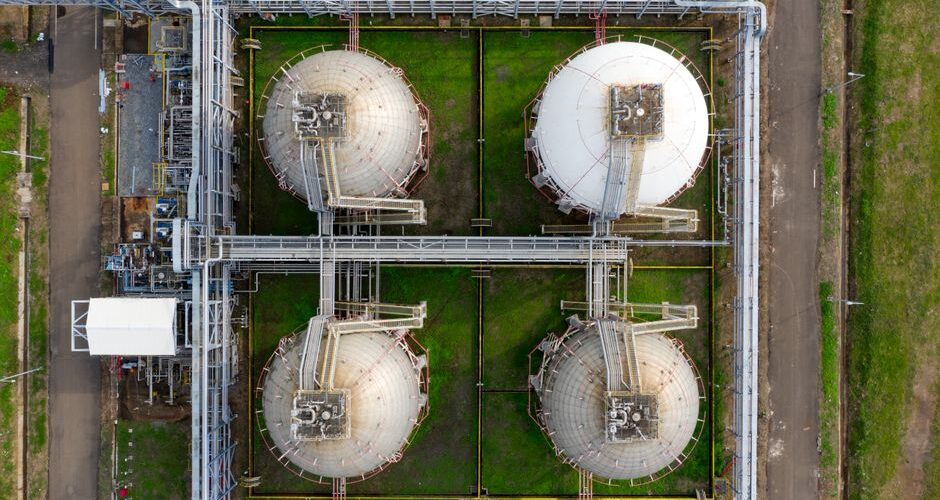
The Rise of Green Hydrogen
In 2026, the global energy landscape is witnessing a pivotal shift. As countries ramp up their efforts to reduce carbon emissions, green hydrogen is emerging as a critical player in the race to decarbonize. Unlike traditional hydrogen production methods that rely heavily on fossil fuels, green hydrogen is produced using renewable energy sources such as wind and solar. This clean hydrogen is being hailed as a game-changer in industries ranging from transportation to heavy manufacturing.
Why Green Hydrogen Matters
So, why all the buzz around green hydrogen? For starters, it’s a versatile energy carrier that can power fuel cells, produce electricity, and even serve as a feedstock for chemical processes. Unlike other renewable energy sources, hydrogen can be stored and transported with greater ease, offering a reliable solution for energy transition. Moreover, with governments across the globe setting ambitious carbon neutrality targets, the demand for green hydrogen is projected to skyrocket, making it an enticing prospect for long-term investors.
Major Players and Projects
Several key players are leading the charge in green hydrogen production. Companies like Siemens Energy, Shell, and Iberdrola are investing heavily in large-scale projects. For instance, the NorthH2 project in the Netherlands aims to produce 4 gigawatts of green hydrogen by 2030, with plans to expand further. Meanwhile, Australia is positioning itself as a hydrogen export powerhouse with its massive Hydrogen Energy Supply Chain project. These initiatives highlight the significant momentum in the sector.
Investment Strategies for 2026
Now, let’s talk investment strategies. If you’re considering diving into the green hydrogen market, diversifying your approach can be beneficial. Firstly, consider investing in companies directly involved in green hydrogen production and infrastructure. These include energy giants like BP and smaller, innovative startups that are pushing the boundaries of hydrogen technology.
Another strategy is to look at ancillary industries. Companies that manufacture electrolyzers or provide the necessary equipment and technology for hydrogen production could see substantial growth. Similarly, consider investing in renewable energy companies that are expanding into hydrogen production, as they’re likely to benefit from vertical integration.
Challenges and Risks
Of course, like any investment opportunity, green hydrogen comes with its own set of challenges. The technology, while promising, is still in its nascent stages and subject to high production costs. Infrastructure remains a significant hurdle, as the world requires extensive development to support large-scale hydrogen adoption. Additionally, policy support and international cooperation will be essential to ensure green hydrogen’s success.
Practical Takeaway
For investors keen on the green hydrogen boom, the key is to stay informed and flexible. Keep an eye on evolving technologies, regulatory changes, and international collaborations that could impact the market. By carefully evaluating your investment choices and remaining adaptable to market shifts, you can position yourself to capitalize on the potential of green hydrogen, while contributing to a more sustainable future.