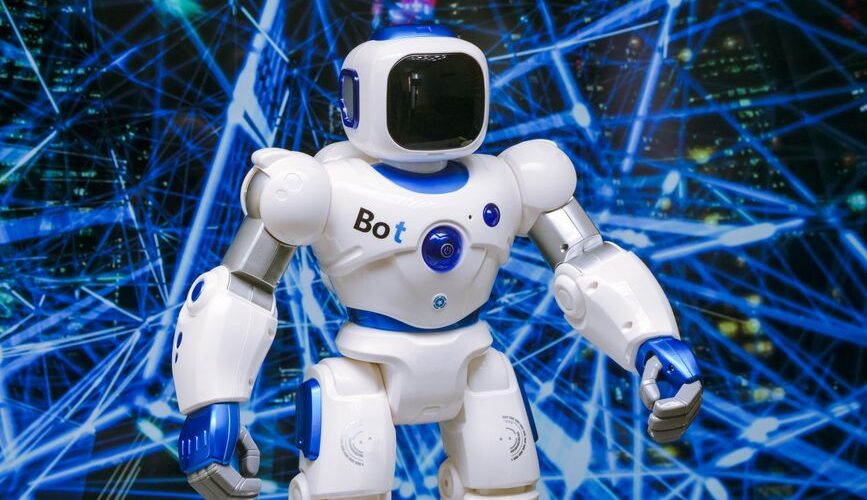
From Chalkboards to Chatbots: The New Classroom Experience
It’s 2026, and the landscape of education is undergoing a seismic shift. Classrooms are no longer confined to four walls filled with desks. Enter the era of robo-teachers—AI-powered educational tools that are transforming how students learn, teachers teach, and investors invest. With the global EdTech market projected to reach $500 billion by 2027, savvy investors are turning their gaze towards these digital educators.
Robo-teachers aren’t just about flashy tech; they’re delivering personalized education at scale, adapting to individual learning speeds, and offering feedback in real-time. Countries like Finland, Singapore, and the United States have been early adopters, integrating AI tools to bridge educational gaps and foster inclusive learning environments.
The Financial Upside: Why Invest in Robo-Teachers?
The potential for growth in the AI education sector is massive. Analysts predict that investments in AI education will grow by 30% annually over the next five years. This isn’t just speculation—consider the success stories of companies like Squirrel AI in China, which has already shown significant gains in student performance metrics.
Investing in robo-teachers offers diversified opportunities. From software development to hardware manufacturing, the opportunities are as varied as they are promising. Investors can also explore niche markets such as AI-driven language programs and specialized tutoring systems.
Key Players: Who’s Leading the Charge?
Several companies are emerging as leaders in AI education technology. In the United States, New York-based Knewton continues to innovate with adaptive learning platforms garnering significant attention. Across the Pacific, China’s TAL Education Group is setting benchmarks with its intelligent tutoring systems.
European startup Century Tech is another player worth watching. Based in London, they’re pioneering AI-driven tools that are already being implemented in schools across the UK, capturing both market share and investor interest.
Considerations and Challenges: What to Watch Out For
While the AI education sector offers ripe opportunities, it’s not without its challenges. Data privacy concerns remain a significant hurdle. Schools and parents alike are cautious about how student information is collected, stored, and used. This has led to rigorous regulations that companies must navigate.
Cultural acceptance also plays a role. Not every region is enthusiastic about replacing human interaction with AI, creating hurdles for companies trying to penetrate new markets. Investors should be aware of these cultural nuances and regulatory landscapes when committing to this burgeoning sector.
How to Get Started: Practical Tips for Investors
- Research the Market: Focus on understanding the current market leaders and emerging startups in the AI education space. Analyze their growth potential and scalability.
- Diversify Investments: Don’t put all your eggs in one basket. Consider both established companies and promising startups to balance risk and reward.
- Stay Informed on Regulations: Constantly evolving regulations mean that staying informed is crucial. Subscribe to industry journals and news updates to keep abreast of regulatory changes.
- Focus on Niche Areas: Consider investing in niche areas within AI education, like language learning or STEM-focused platforms, which often have less competition and higher growth potential.
For those willing to navigate these challenges, the potential rewards are plentiful. Investors ready to embrace this digital revolution could find themselves at the forefront of one of the most transformative educational shifts in history.