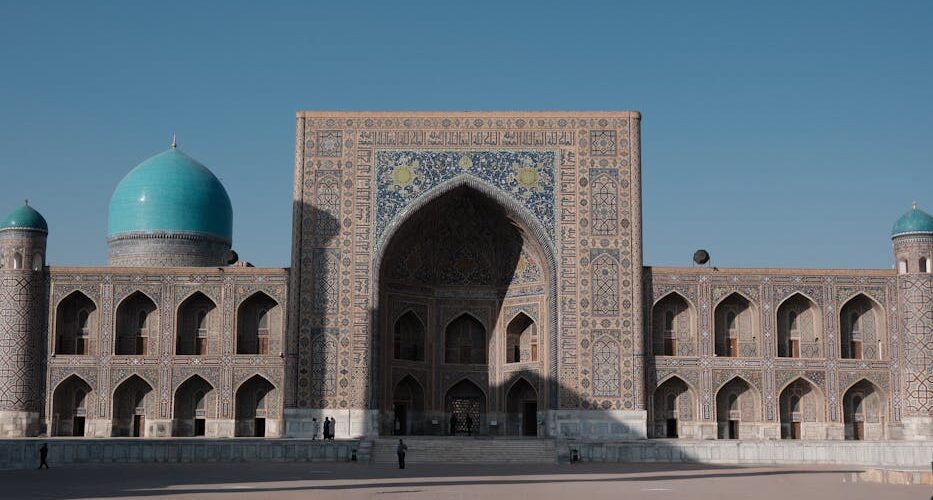
The Renaissance of the Silk Road
For centuries, the Silk Road was the artery of trade between the East and West. Fast forward to 2026, and a modern version of this ancient trade network is emerging, drawing the attention of savvy investors keen on diversifying their portfolios. Central Asia, once a forgotten region in investment circles, is witnessing a dramatic transformation, fueled by ambitious infrastructure projects and economic reforms.
Why Central Asia?
Central Asia, comprising Kazakhstan, Uzbekistan, Turkmenistan, Kyrgyzstan, and Tajikistan, is increasingly seen as a treasure trove of potential. With a combined population of over 77 million, these nations are strategically positioned between China and Europe, making them key players in international trade. The Asian Development Bank has projected a robust regional growth of 5.2% annually, driven by the region’s abundant natural resources and burgeoning industrial sectors.
- Kazakhstan: As the largest landlocked country, Kazakhstan has been at the forefront of the region’s development efforts. Its oil exports and burgeoning tech industry have attracted significant foreign investment.
- Uzbekistan: With reforms aimed at liberalizing its economy, Uzbekistan has become a magnet for textile and agricultural investments, capitalizing on its young workforce and strategic location.
- Kyrgyzstan & Tajikistan: While smaller, these countries offer unique opportunities in hydropower and mineral resources, appealing to niche investors.
Key Sectors for Investment
Investors looking to tap into Central Asia’s potential should focus on a few vital sectors that are poised for growth:
- Infrastructure: The Belt and Road Initiative has been a pivotal driver, with China investing billions in road, rail, and pipeline projects. These improvements significantly enhance trade efficiency and connectivity.
- Renewable Energy: Central Asia is tapping into its vast wind and solar energy potential, especially in the desert regions of Kazakhstan and Uzbekistan, offering clean energy investment opportunities.
- Technology: Tech hubs are springing up across the region, with startups focusing on fintech and e-commerce, attracting venture capital from around the globe.
Navigating the Challenges
Investing in Central Asia is not without its hurdles. Political stability varies across the region, and investors must be cautious of regulatory risks. However, governments are working to improve transparency and create more investor-friendly environments. The recent establishment of the Astana International Financial Centre in Kazakhstan is a testament to these efforts, offering a legal framework modeled after English common law to attract foreign capital.
Practical Takeaways for Investors
As interest in Central Asia grows, investors should consider the following strategies:
- Diversification: Spread investments across multiple sectors and countries within the region to mitigate risks associated with political and economic volatility.
- Partnerships: Collaborate with local firms to navigate regulatory landscapes and cultural nuances effectively.
- Long-term Vision: Central Asia’s growth trajectory is promising but gradual. Investors should be prepared for a long-term commitment to reap substantial rewards.
The new Silk Road is not just a route for goods but a pathway to potentially lucrative investment opportunities. As this region continues to open its doors, those willing to explore beyond traditional markets may find the Central Asian renaissance a valuable addition to their investment portfolios.