The Rise of Urban Vertical Farms
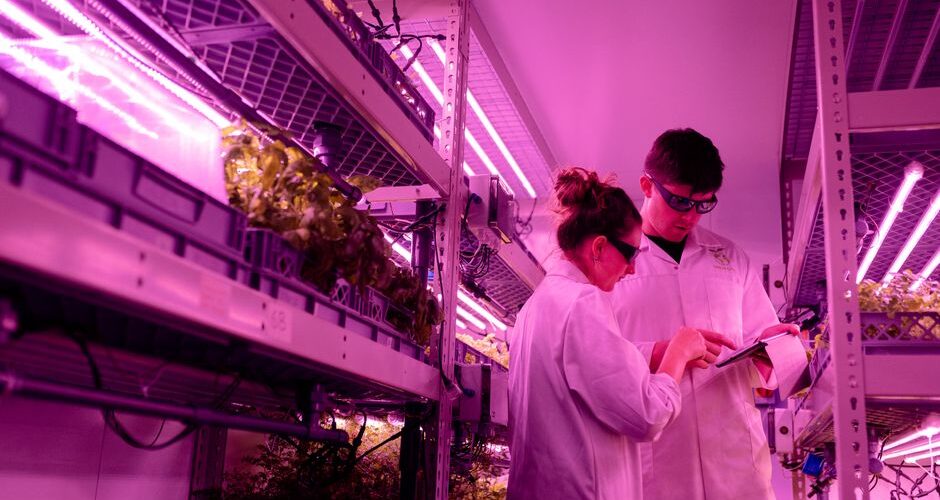
Over the past decade, the concept of urban vertical farming has taken root in cities worldwide, and by 2026, it has evolved from a curious novelty into a thriving investment opportunity. As city populations balloon and arable land becomes increasingly scarce, urban vertical farms provide a sustainable solution. They’ve captured the attention of investors seeking to align profit with purpose. These farms are springing up in abandoned warehouses, atop skyscrapers, and even in specially designed structures that dominate city skylines. With the ability to grow crops year-round using less water and no pesticides, vertical farming is a key player in the future of food production.
Technological Innovations Driving Growth
The backbone of urban vertical farming is technology. From LED lighting that mimics the sun’s spectrum to hydroponic and aeroponic systems that optimize plant nutrition, these innovations are revolutionizing agriculture right in the heart of our cities. The advent of AI and IoT devices has allowed for precise monitoring and control of crop environments, minimizing waste, and maximizing yields. Companies like Plenty, AeroFarms, and Infarm have set the stage with cutting-edge facilities that harness technology at every step, presenting lucrative opportunities for tech-savvy investors.
Economic and Environmental Impact
Investing in urban vertical farming isn’t just about reaping financial rewards; it’s also about contributing to a larger environmental and economic cause. These farms reduce food miles, lowering carbon emissions associated with transporting produce from rural areas to urban centers. Additionally, vertical farms use up to 95% less water than traditional farming. The economic impact is palpable too—by providing job opportunities in urban areas and reducing dependency on volatile agricultural imports, these farms stabilize local economies. Cities like Singapore and Tokyo are already seeing the benefits, serving as successful case studies for others considering the vertical farming route.
Investment Opportunities and Challenges
As with any sector poised for rapid growth, investing in urban vertical farms comes with its own set of challenges. The initial capital outlay can be significant, with the need for sophisticated equipment and technology. However, the potential returns are equally substantial. Investors can consider direct investment in startups, participate in venture capital funds focused on agri-tech, or explore publicly traded companies specializing in vertical farming technologies. The key is to conduct thorough due diligence, focusing on the management team’s experience, the company’s technological edge, and scalability prospects.
Practical Steps for Investors
- Research the Market: Understand the specific dynamics of urban vertical farming. Learn from cities that have successfully integrated these farms into their urban planning.
- Evaluate Technology: Look for companies that leverage the latest technology to enhance productivity and reduce operational costs.
- Consider Partnerships: Partnerships with local governments and sustainability organizations can enhance a farm’s credibility and reduce regulatory hurdles.
- Monitor Trends: Keep an eye on food security concerns, urbanization rates, and climate change policies that could impact the demand for vertical farming solutions.
Practical Takeaway
The surge in urban vertical farming offers a promising avenue for investors looking to make a tangible impact while securing financial growth. As the world continues to urbanize and sustainable practices become non-negotiable, investing in this innovative sector not only addresses critical global challenges but also aligns with the future of food production. Navigate this space with informed strategies, and the potential rewards could be as bountiful as the crops themselves.