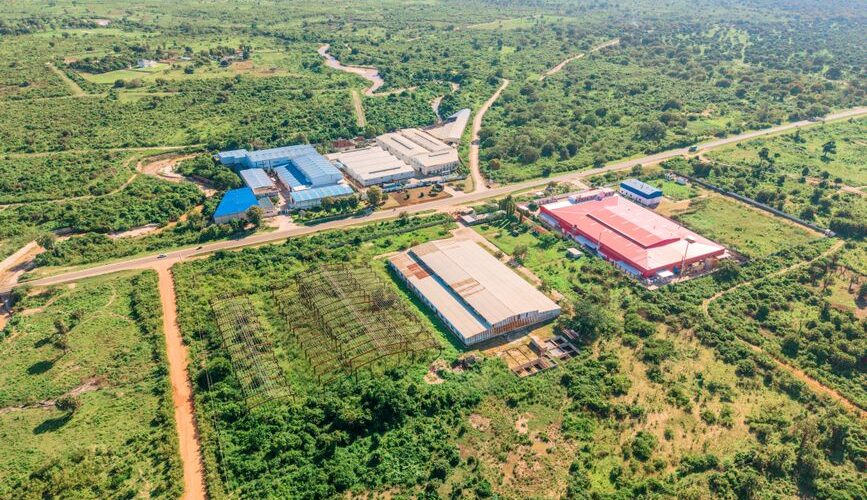
Why Africa is the New Frontier for Investors
Africa, the world’s second-largest continent, is increasingly being viewed as the new frontier for savvy investors. As of 2026, the continent’s burgeoning middle class, rapid urbanization, and technological advancements present fresh avenues for investment. While challenges remain, the rewards can be substantial for those who approach with an open mind and a strategic plan.
African economies have shown resilience and growth, with the IMF projecting a 5.5% GDP growth across the continent this year. Countries like Nigeria, Kenya, and South Africa are at the forefront, driving innovation and economic development. The shift from aid dependency to sustainable economic growth is attracting both local and international investors.
Agriculture: Africa’s Emerging Breadbasket
Agriculture remains the backbone of many African economies, employing more than 60% of the workforce. With a vast amount of arable land, Africa has the potential to be the world’s breadbasket. Investors are increasingly eyeing agriculture technology (AgTech) as a key growth area. From precision farming techniques to drought-resistant crop varieties, innovations are transforming traditional practices.
For instance, in Ethiopia, the government has launched initiatives to modernize agriculture through technology, increasing crop yields by 15% in 2025 alone. Similarly, Agri-businesses in Nigeria are revolutionizing supply chains, reducing wastage and increasing profitability. Investing in these sectors offers the dual advantage of financial returns and social impact.
Technology and Innovation: The Digital Transformation
Africa is experiencing a digital revolution, with mobile technology at its core. Over 80% of the population now has access to mobile internet, fueling a surge in digital startups. In cities like Nairobi, often dubbed as ‘Silicon Savannah’, tech startups are solving local problems with global implications, from fintech to health tech.
Take M-Pesa, the mobile money service that has transformed financial transactions in Kenya. It has inspired similar innovations across Africa, creating opportunities for investors in fintech ecosystems. Venture capital in African tech startups has grown tenfold in the past decade, making it a fertile ground for high returns.
Infrastructure: Building the Future
As urbanization accelerates, infrastructure development remains a critical need. Africa’s urban population is expected to double by 2050, necessitating investments in housing, transportation, and energy. The African Development Bank has identified a $100 billion annual infrastructure investment gap—a challenge that presents immense opportunities.
Countries like Rwanda are leading the charge with public-private partnerships to fund infrastructure projects. Investors focusing on renewable energy, sustainable housing, and smart city technologies can tap into these growing sectors. The Kigali Innovation City project exemplifies how innovative infrastructure can drive economic growth.
Natural Resources: Sustainable Approaches
Rich in natural resources, Africa continues to attract interest from mining and energy companies. However, sustainability is becoming a key focus. The African Continental Free Trade Area (AfCFTA), which became operational in 2021, is promoting intra-African trade and sustainable practices.
Renewable energy projects are gaining traction, with solar and wind power seeing significant investments. South Africa’s Renewable Energy Independent Power Producer Procurement Programme (REIPPPP) has set a global benchmark. Investors are finding opportunities in green energy initiatives that align with ESG (Environmental, Social, and Governance) criteria.
Practical Takeaway: Strategies for Investing in Africa
Investing in Africa requires a comprehensive strategy, considering both opportunities and risks. Here are some practical tips:
- Do your homework: Understand the local market, culture, and legal landscape. Partner with local entities to gain insights and navigate bureaucratic challenges.
- Focus on long-term potential: Many sectors require patience and a long-term perspective to realize their full potential.
- Diversify your portfolio: Spread investments across different sectors and regions to mitigate risks.
- Engage with ESG principles: Prioritize investments that align with sustainable and ethical practices.
As Africa continues its upward trajectory, investors with foresight and adaptability can realize substantial rewards while contributing to the continent’s sustainable development.