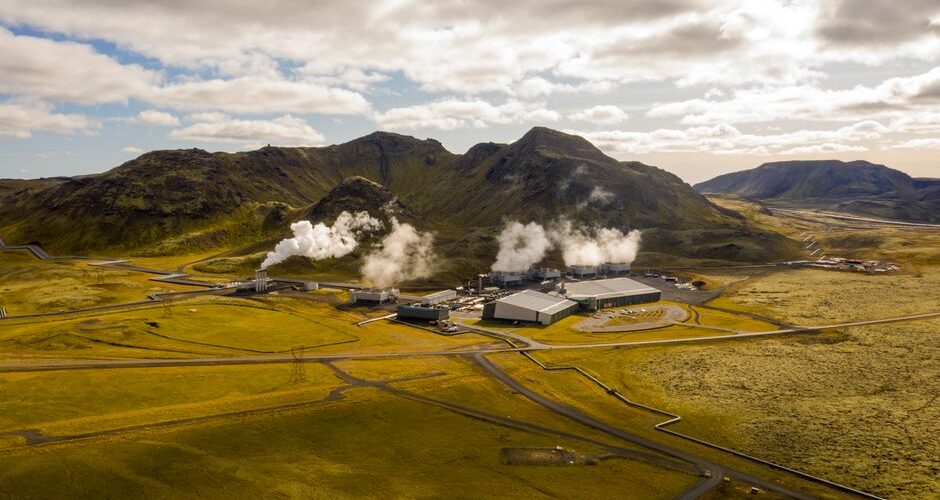
The Energy Landscape of 2026: A Shift Towards Geothermal
As we settle into 2026, energy markets are experiencing a significant transformation. While solar and wind power have dominated the renewable energy conversation in recent years, geothermal energy is now emerging as a promising alternative, capturing the attention of investors worldwide. Known for its low carbon footprint and high reliability, geothermal power is quickly becoming a focal point for those looking to diversify their energy portfolios.
Geothermal energy harnesses the earth’s natural heat, offering a consistent and sustainable power source. Unlike solar and wind, which are subject to weather fluctuations, geothermal provides a stable output, making it an attractive option for grid operators seeking reliability. This stability, coupled with advancements in drilling technology, has sparked renewed interest in geothermal investments.
Why Geothermal Now? Key Drivers and Innovations
Several factors are driving the current geothermal boom:
- Technological Advancements: Innovations in drilling and resource identification have significantly reduced the cost and increased the viability of geothermal projects.
- Government Support: Countries like the United States, Iceland, and Indonesia are implementing policies and incentives to boost geothermal development, recognizing its potential to meet clean energy goals.
- Global Demand for Renewable Energy: As the world pushes for cleaner energy sources, geothermal offers an appealing solution due to its low emissions and small environmental footprint.
For instance, the U.S. government has earmarked billions in tax credits and grants for geothermal projects, aiming to triple the country’s geothermal output by 2030. Meanwhile, in Iceland, where geothermal already meets over 90% of the country’s heating needs, new projects focus on exporting expertise and technology.
Investing in Geothermal Stocks: Key Players to Watch
Investors looking to tap into the geothermal market will find a range of companies poised for growth:
- Ormat Technologies: A leader in the geothermal space, Ormat has projects across the globe and continues to expand its footprint with recent deals in Africa and Latin America.
- Enel Green Power: This Italian powerhouse is diversifying its portfolio with significant investments in geothermal, particularly in South America and Africa, where the potential is vast.
- Calpine Corporation: While primarily known for natural gas, Calpine is making strategic moves into geothermal, leveraging its expertise to develop hybrid energy solutions.
These companies offer varying levels of risk and reward, depending on their market strategies and geographic focus. Analyzing their financial health, project pipelines, and geopolitical risks can provide insights into potential returns.
Assessing Geothermal Projects: What Investors Need to Know
Before diving into geothermal investments, it’s crucial to understand the factors influencing project success:
- Location: Geothermal resources depend heavily on geology. Regions with volcanic activity, such as the Pacific Ring of Fire, offer the best potential.
- Regulatory Environment: Understanding local policies and incentives can make or break a project. Favorable regulations, such as feed-in tariffs or tax incentives, significantly enhance project viability.
- Technology: Investing in companies with cutting-edge technology can mitigate risks associated with resource variability and increase efficiency.
Investors should look for projects with robust feasibility studies and strong partnerships with local governments and communities, which can reduce risks and enhance project longevity.
The Future of Geothermal: Challenges and Opportunities
While the future looks promising for geothermal energy, challenges remain. High upfront costs, long project timelines, and the need for specialized expertise can be barriers to entry. However, these challenges also present opportunities for innovation and collaboration.
For instance, enhanced geothermal systems (EGS) are an emerging technology that could unlock geothermal potential in areas previously deemed unsuitable. By artificially creating geothermal reservoirs, EGS offers the possibility of expanding geothermal’s geographical reach, making it even more attractive to investors.
As geothermal technology continues to evolve, we can expect to see increased integration with other renewable sources, paving the way for holistic, sustainable energy solutions that are both reliable and scalable.
Practical Takeaway: Diversifying with Geothermal
In an era where diversification is key to a robust investment strategy, geothermal energy offers a unique opportunity. Its stability and sustainability make it an excellent complement to more volatile renewable sources. By investing in geothermal, you not only contribute to a more sustainable future but also position yourself to benefit from the expanding landscape of renewable energy.
As you consider your next investment, keep an eye on geothermal developments and the companies leading this charge. With the right approach and due diligence, geothermal could be the hidden gem in your 2026 portfolio.