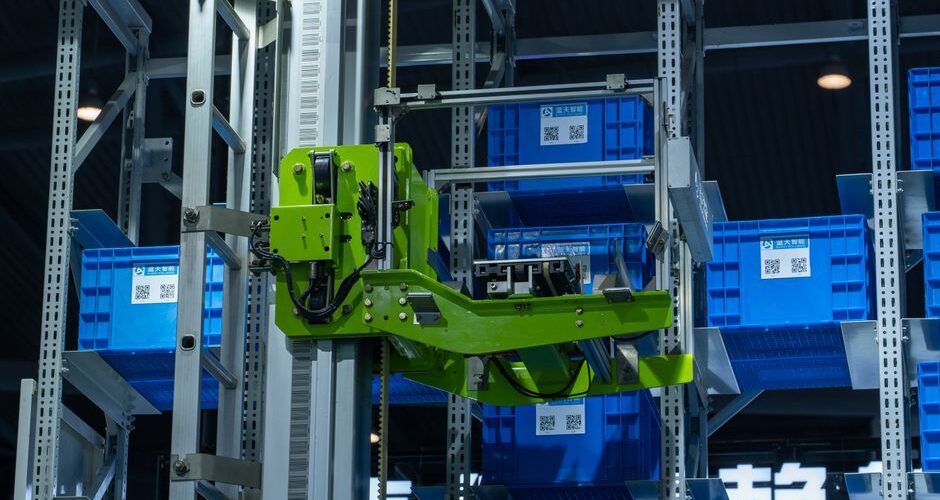
Why Smart Logistics Matter in 2026
The logistics industry has always been the silent force behind global trade, yet in 2026, it stands at the forefront of innovation and investment. With global supply chains more complex than ever, smart logistics—powered by artificial intelligence, the Internet of Things (IoT), and blockchain—are redefining how goods move around the world. Investors are keenly observing this paradigm shift, with smart logistics set to become one of the most lucrative sectors in the coming years.
In 2026, logistic companies are not just focusing on transporting goods from point A to point B; they’re leveraging technology to optimize routes, reduce carbon footprints, and enhance transparency. The global smart logistics market, valued at $135 billion in 2025, is projected to grow at a CAGR of 12% over the next five years. This growth is fueled by increased e-commerce demand and the need for sustainable supply chain solutions.
The Role of AI and IoT in Transforming Logistics
Artificial intelligence and IoT devices are the dynamic duo driving the smart logistics revolution. AI algorithms analyze vast amounts of data to predict traffic patterns and weather conditions, allowing logistics companies to develop more efficient routing strategies. This not only speeds up delivery times but also cuts down on costs associated with fuel and vehicle maintenance.
IoT devices are enhancing supply chain visibility. From smart sensors tracking temperature and humidity in real-time to RFID tags ensuring accurate inventory management, these technologies are making supply chains more responsive and resilient. Companies like FedEx and DHL are already investing heavily in IoT infrastructure to stay ahead of the curve, and investors are following suit, recognizing the potential for substantial returns.
Blockchain for Enhanced Transparency and Security
Blockchain technology is revolutionizing logistics by providing an immutable ledger for transactions and facilitating smart contracts. This fosters trust between parties, reduces fraud, and enhances security. In 2026, companies in sectors ranging from pharmaceuticals to luxury goods are using blockchain to verify the authenticity of their products and ensure ethical sourcing.
For investors, blockchain in logistics presents an opportunity to back companies that prioritize transparency and security. With the global blockchain logistics market expected to reach $5 billion by 2027, those who invest early stand to gain significantly from this technological advancement.
Challenges and Considerations for Investors
Despite its potential, investing in smart logistics is not without challenges. The industry faces hurdles such as regulatory compliance, the high cost of technology implementation, and cybersecurity threats. Investors need to evaluate companies not only based on their technology adoption but also on their ability to navigate these challenges.
Investing in startups may offer higher returns due to their agility and innovative approaches, but established players often provide more stability and risk mitigation. Balancing risk and reward is crucial for investors looking to capitalize on the smart logistics boom.
Practical Steps for Investing in Smart Logistics
- Research and Identify Trends: Stay informed about the latest trends in AI, IoT, and blockchain in logistics. Subscribe to industry reports and attend webinars and conferences to gain insights.
- Diversify Investments: Consider investing in a mix of startups and established firms. This approach allows for potential high returns from emerging companies while providing stability from established players.
- Focus on Sustainability: As the logistics industry moves towards greener solutions, prioritize companies that are committed to reducing their carbon footprint. This not only benefits the environment but also meets growing consumer demand for sustainable practices.
- Monitor Regulatory Changes: Keep an eye on regulatory developments that could impact the logistics industry, such as data privacy laws and international trade agreements.
A Practical Takeaway for Investors
As we move further into 2026, smart logistics are proving to be more than just a trend—they’re a fundamental shift in how global trade operates. By understanding the technologies driving this change and the companies at the forefront, investors can position themselves to benefit from this evolution. The key is to stay informed, diversify investments, and focus on sustainability, ensuring your portfolio is not only profitable but also future-proof.