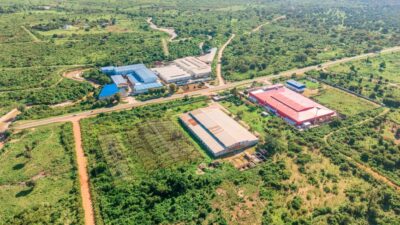
The Revolution in Agriculture: A New Investment Landscape
It’s 2026, and the global agriculture sector is undergoing a profound transformation. Once dominated by traditional practices, the industry is being reshaped by cutting-edge technologies like drones, precision farming, and big data analytics. Investment opportunities are flourishing as agriculture becomes more technologically driven. This article explores how investors can navigate this new frontier and identify lucrative ventures in modern agriculture.
Drones: Not Just for Hobbyists Anymore
Drones have taken the agriculture sector by storm. These flying marvels are no longer confined to recreational use or military operations. In modern farming, drones are indispensable tools for monitoring crop health, managing irrigation, and optimizing field management. The global agricultural drone market is expected to reach $7 billion by the end of 2026, with a compound annual growth rate (CAGR) of 25%. This surge is driven by their ability to provide real-time data, aiding farmers in making informed decisions to increase yield and reduce costs. For investors, companies leading the drone technology market offer promising returns.
Precision Farming: The Data-Driven Approach
Precision farming represents a paradigm shift in agricultural practices. By utilizing GPS technology and IoT devices, farmers can monitor their fields with unprecedented precision. This means applying water, fertilizer, and pesticides only where needed, reducing waste and environmental impact while boosting productivity. Companies developing platforms for precision farming are an attractive prospect for those looking to invest in sustainable agriculture solutions. Leading firms in this space are reporting revenue growth upwards of 30% annually, reflecting the sector’s explosive potential.
Big Data: Harvesting Insights for Greater Yield
Data analytics has become a cornerstone of modern farming. By analyzing vast amounts of data, farmers can uncover patterns and trends, leading to insights that drive crop yield improvements. Startups offering data analytics solutions for agriculture are on the rise, with investment in ag-tech startups hitting $17 billion globally in 2026 alone. The ability to leverage data not only enhances crop management but also improves supply chain efficiency. Investors should watch out for companies specializing in artificial intelligence and machine learning applications in agriculture, as they hold the key to unlocking further advancements.
Vertical Farming: Growing Upwards, Not Outwards
As urbanization encroaches on arable land, vertical farming is gaining traction as a viable solution. By growing crops in stacked layers within controlled environments, vertical farming mitigates the challenges of limited space and fluctuating weather conditions. The vertical farming market is projected to exceed $12 billion by 2026. For investors, this presents an opportunity to support innovations that could redefine food production in crowded urban areas, offering a sustainable method to meet the dietary needs of a growing global population.
Renewable Energy: Powering the Future of Farms
With sustainability at the forefront of agriculture, renewable energy is playing a pivotal role. Solar panels and wind turbines are being installed on farms worldwide, reducing dependency on fossil fuels and lowering energy costs. Notably, the integration of renewable energy solutions into agricultural practices has resulted in cost savings of up to 40%. Investing in companies that provide renewable energy solutions to the agricultural sector is becoming increasingly attractive as the world moves towards a greener future.
Practical Takeaway for Investors
The agricultural sector in 2026 offers a plethora of investment opportunities driven by technological advancements. Whether it’s drones providing aerial insights, precision farming optimizing resources, or vertical farming reshaping urban food production, the potential for growth and innovation is immense. Investors who embrace these trends will not only contribute to sustainable food production but can also anticipate substantial financial returns. As with any investment, due diligence is crucial, but the new frontier of agricultural technology presents a promising and fertile ground for financial growth.