In 2026, the financial landscape is abuzz with new opportunities, and one of the most intriguing sectors emerging is biofabrication. This technology taps into the natural world’s blueprint to create a range of products, from materials to food. Let’s dive into why biofabrication is capturing the attention of investors and how you can strategically position yourself in this burgeoning market.
The Biofabrication Landscape: An Overview
Biofabrication utilizes biological processes to manufacture complex structures. It leverages the power of living cells, biomaterials, and biotechnologies to create products that were once only imagined in sci-fi novels. Today, the market is brimming with innovations, from lab-grown meat to bioengineered fabrics. According to a recent report by MarketsandMarkets, the global biofabrication market is projected to grow at a compound annual growth rate (CAGR) of 15.8% from 2026 to 2030, underscoring the immense potential this field holds.
Key Areas of Biofabrication to Watch
- Lab-Grown Meat: Once dismissed as a novelty, lab-grown meat is gaining traction as a sustainable solution to meet global food demand. Companies like Memphis Meats and Aleph Farms are leading the charge, with significant investments from food giants like Tyson Foods. The cost of production is dropping rapidly, making lab-grown meat a viable mainstream option by 2027.
- Biofabricated Textiles: From sportswear brands producing clothes with lab-grown silk to high-fashion brands showcasing microbial leather, biofabricated textiles are revolutionizing the fashion industry. These materials are not only sustainable but also offer unique properties, such as increased durability and customizable textures.
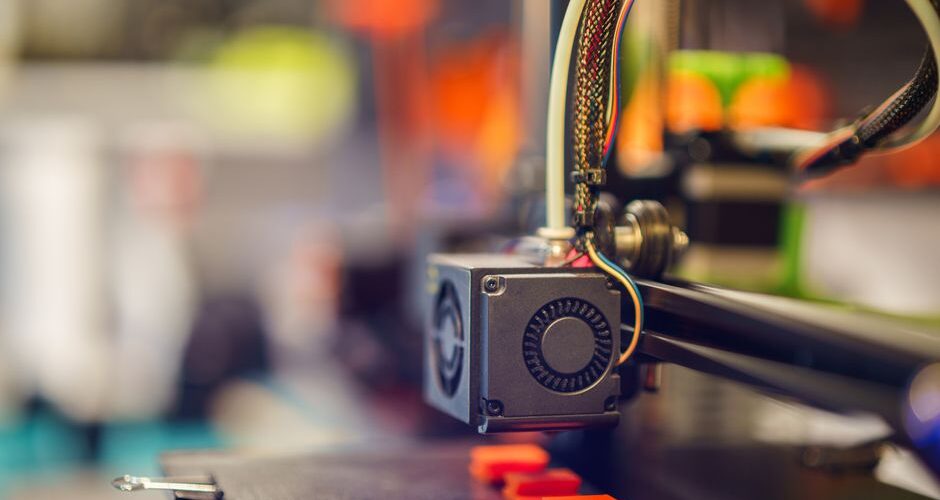
- Organ and Tissue Engineering: The healthcare sector is witnessing a biofabrication revolution with the development of 3D bioprinting techniques. Researchers are now able to print human tissues and organs, offering hope for those in need of transplants. Companies like Organovo are at the forefront, bringing these innovations closer to clinical reality.
Investment Strategies in Biofabrication
With biofabrication’s rapid expansion, investors should consider several strategies to capitalize on this growth. First, diversifying across different segments within biofabrication can mitigate risk while maximizing potential returns. Consider investing in ETFs that focus on biotechnology and sustainable innovations.
Additionally, early-stage venture capital involvement can be rewarding. Look for startups with strong patent portfolios and partnerships with established corporations. These companies are often well-positioned for growth as they leverage strategic alliances to accelerate product development and market entry.
Risks and Considerations
While the biofabrication sector is promising, it comes with inherent risks. Regulatory hurdles are a significant challenge, as governmental bodies worldwide are still crafting policies for these novel products. Investors should stay informed about legislative changes, particularly in key markets like the United States, the European Union, and China.
Market acceptance is another vital consideration. While consumer attitudes towards sustainability are favorable, there is still skepticism about lab-grown and biofabricated products. Effective marketing and clear communication about the benefits and safety of these products will be crucial for market penetration.
Looking Forward: The Future of Biofabrication
As we look towards the end of the decade, biofabrication is set to transform industries and alter traditional manufacturing paradigms. Investors who recognize and act on this trend today could be at the forefront of a sustainable revolution.
The practical takeaway is clear: biofabrication is more than just a trend—it’s a fundamental shift in how we create and consume products. By understanding the landscape, identifying key areas, and employing strategic investment tactics, you can navigate the complexities of this exciting sector and potentially reap substantial rewards.