Urban Agriculture: A Blooming Investment Opportunity
As the world’s population continues to migrate towards cities, urban agriculture has captured the attention of innovative investors in 2026. No longer just a sustainability trend, urban farming is now a lucrative sector, reshaping how we think about food production and real estate. With vertical farms sprouting in urban centers from New York to Tokyo, this industry promises both environmental impact and financial returns.
Urban agriculture, once seen as a niche or quirky hobby, has evolved into a sophisticated operation, attracting venture capital and inspiring new agritech startups. This transformation is driven by the need for local, fresh produce in dense urban landscapes and the innovative technology that makes such production feasible.
The Economic Advantages of Urban Farming
Urban agriculture presents several economic benefits that make it an attractive investment in 2026. First, it reduces the cost and carbon footprint of transporting food. By growing crops near the point of consumption, urban farms cut down on logistics, which not only lowers costs but also enhances the freshness of the produce. This local approach meets the growing consumer demand for sustainability and quality.
Furthermore, urban agriculture often utilizes unused or underutilized urban spaces, such as rooftops or abandoned lots, converting them into productive assets. This transformation increases property values and contributes to urban renewal, making cities more vibrant and livable.
Technology: The Backbone of Urban Farming
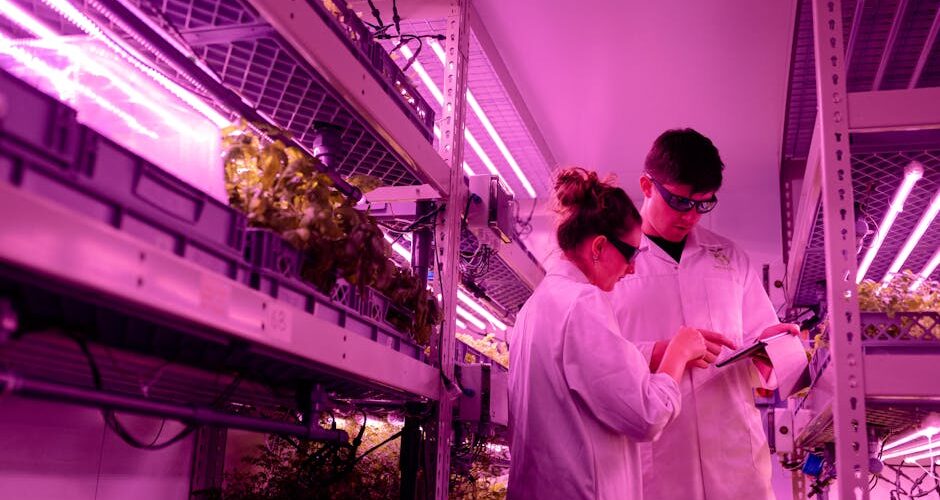
Advancements in technology are pivotal to the success of urban agriculture. In 2026, technologies such as hydroponics, aeroponics, and aquaponics are widely used to maximize yield in limited spaces. For instance, stacked vertical farms use LED lighting and automated nutrient systems to grow crops efficiently without soil, optimizing every square foot of space.
Moreover, data analytics and AI-driven platforms are being employed to monitor plant health and optimize growing conditions. These technologies enable urban farmers to predict crop outputs with remarkable accuracy, reducing waste and ensuring consistent quality. Companies like Brightfarms and Gotham Greens are leading this charge, setting a precedent for tech-driven agriculture.
Investment Opportunities and Challenges
For investors, urban agriculture offers a diverse range of opportunities. From investing in agritech startups developing innovative farming solutions, to backing real estate projects that incorporate vertical farms, the possibilities are varied and exciting.
However, like any investment, urban agriculture is not without its challenges. The initial capital requirement for setting up high-tech farms can be significant. Additionally, regulatory hurdles around zoning and urban land use can complicate projects. Investors must carefully assess these risks and partner with experienced operators in the field.
Spotlight on Successful Urban Farms
Several urban farms have already demonstrated the viability of this model, offering valuable lessons for investors. Take AeroFarms in Newark, New Jersey, for example. Established in a former steel mill, AeroFarms has become one of the world’s largest vertical farms, producing leafy greens in a controlled environment with 95% less water than traditional farms.
Another example is Tokyo-based Spread, which operates a fully automated vertical farm capable of producing over 30,000 heads of lettuce daily. By using an innovative hydroponic system, Spread has minimized labor costs and maximized efficiency, setting a benchmark for urban farms globally.
The Practical Takeaway
If you’re looking to diversify your portfolio with a forward-thinking investment, urban agriculture in 2026 offers a green light. Consider partnering with companies that have a proven track record and a clear path to profitability. Stay informed about technological advances and regulatory changes, as these factors will shape the future of urban farming. Above all, remember that investing in urban agriculture is not just about profit; it’s also about contributing to a sustainable and resilient food system for our growing urban populations.